Why am I so tired before my period?
Jun 10, 2024
6 min read
Feeling Extremely Tired Before Your Period? You’re Not Imagining It
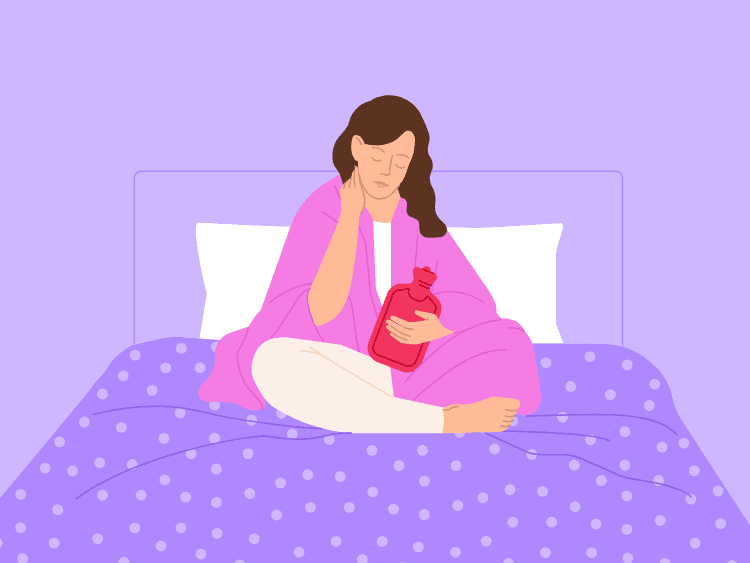
If you find yourself hitting snooze more often in the days before your period, you’re not alone. Many people notice a drop in energy right before menstruation begins. You may feel physically heavy, mentally foggy, or exhausted even after a full night’s sleep — and caffeine doesn’t always help.
This kind of tiredness can feel frustrating or confusing, especially if you’re not sure why it’s happening. The good news is that pre-period fatigue is real, common, and usually temporary. Understanding what’s going on in your body can make it easier to manage — and easier to be kind to yourself during this phase of your cycle.
What Is Period Fatigue?
Period fatigue refers to feeling unusually tired in the days leading up to your period. It’s considered a common symptom of premenstrual syndrome (PMS), a group of physical and emotional symptoms that can occur before menstruation. You can learn more about PMS from the Mayo Clinic here:
https://www.mayoclinic.org/diseases-conditions/premenstrual-syndrome/symptoms-causes/syc-20376780
Not everyone experiences fatigue before their period, but for those who do, it can affect focus, motivation, mood, and daily routines. Fatigue may show up on its own or alongside other PMS symptoms like bloating, breast tenderness, headaches, or mood changes.
For most people, this tiredness improves once the period begins or within a few days.
Why Do You Feel More Tired Right Before Your Period?
The most common reason for fatigue before your period is hormonal change.
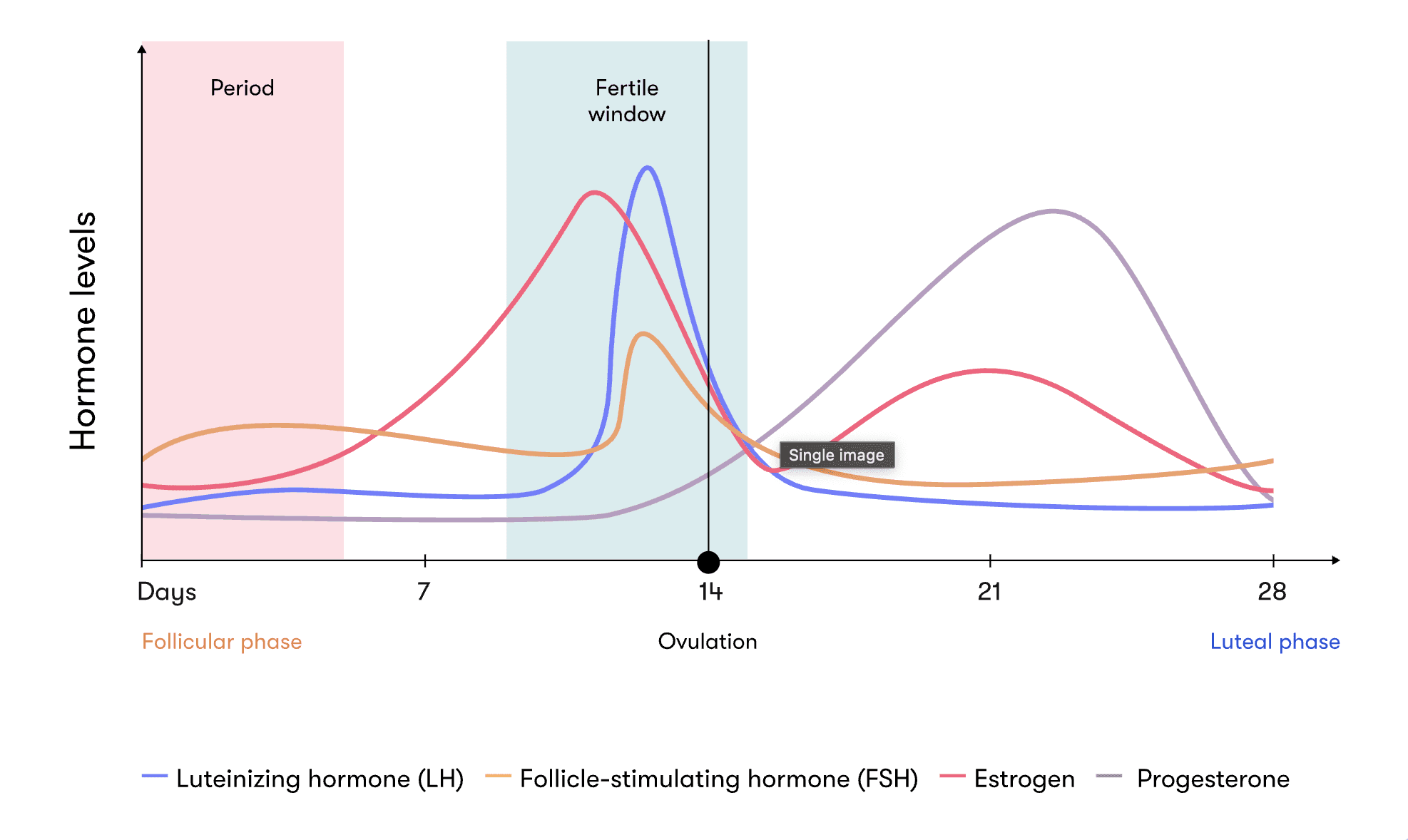
Your menstrual cycle naturally shifts hormone levels throughout the month. In the days leading up to your period, both estrogen and progesterone levels drop. These hormones influence energy, mood, and sleep, so when they fall, you may notice changes in how your body feels.
Lower estrogen levels can affect serotonin, a brain chemical involved in mood and energy regulation. Progesterone, which is higher after ovulation, has a calming and sometimes sedating effect. Together, these changes can leave you feeling slower, sleepier, or less motivated than usual.
Understanding the Luteal Phase
The fatigue you feel before your period typically happens during the luteal phase of your cycle.
The luteal phase begins after ovulation and lasts until your next period starts. During this time, your body prepares for a possible pregnancy, whether or not pregnancy is a goal. Progesterone levels rise and then fall, and this hormonal shift is often linked to PMS symptoms.
If you’d like a deeper medical explanation of the luteal phase, the Cleveland Clinic provides a clear overview here:
https://my.clevelandclinic.org/health/articles/10132-menstrual-cycle
When Fatigue Feels More Intense Than Expected
For some people, fatigue before a period can feel overwhelming or come with strong emotional changes. In rare cases, severe symptoms may be related to premenstrual dysphoric disorder (PMDD), a more intense form of PMS that often requires medical support. You can read more about PMDD from the National Institutes of Health here:
https://www.nimh.nih.gov/health/topics/premenstrual-dysphoric-disorder-pmdd
If fatigue is significantly interfering with your daily life, work, or relationships, it’s important to talk with a healthcare professional.
Gentle Ways to Manage Fatigue Before Your Period
While you can’t stop hormonal changes from happening, there are supportive ways to care for your energy during this time.
Getting enough rest is one of the most helpful steps. Your body may genuinely need more sleep during the premenstrual phase, so allowing yourself earlier bedtimes or slower mornings can make a difference.
Eating balanced, nutrient-rich meals can also help support steady energy levels. Foods that contain magnesium — such as leafy greens, whole grains, nuts, and seeds — may help with fatigue and blood sugar stability.
Staying hydrated is another simple but powerful tool. Even mild dehydration can increase feelings of sluggishness.
Gentle movement, like walking, stretching, or yoga, can sometimes boost energy without overtaxing your body. This isn’t the time to push through intense workouts if you’re feeling drained. Listening to your body matters.
Tracking your cycle can also be helpful. When you know when fatigue tends to show up, it becomes easier to plan lighter schedules and practice self-care without guilt.
When to Consider Medical Causes
If tiredness around your period is persistent, worsening, or paired with other symptoms, it’s worth checking in with a healthcare provider.
Very heavy periods can sometimes lead to iron-deficiency anemia, which can cause ongoing fatigue. The Mayo Clinic explains this condition here:
https://www.mayoclinic.org/diseases-conditions/iron-deficiency-anemia/symptoms-causes/syc-20355034
Sleep issues can also play a role. Symptoms like loud snoring, gasping during sleep, or waking up unrefreshed may be linked to sleep apnea, a condition that can significantly affect energy levels. More information is available from the American Academy of Sleep Medicine:
https://sleepeducation.org/sleep-disorders/sleep-apnea/
A Supportive Reminder
Feeling tired before your period doesn’t mean you’re lazy or weak. It means your body is responding to real, natural changes. Learning to recognize these patterns can help you move through your cycle with more clarity, patience, and confidence.
Your cycle is information — not something to fear.

4.8

10,000
Users
Get hera on IOS
Track your period safely with hera.
A period app that focuses on education, and clarity.
Get hera on IOS